
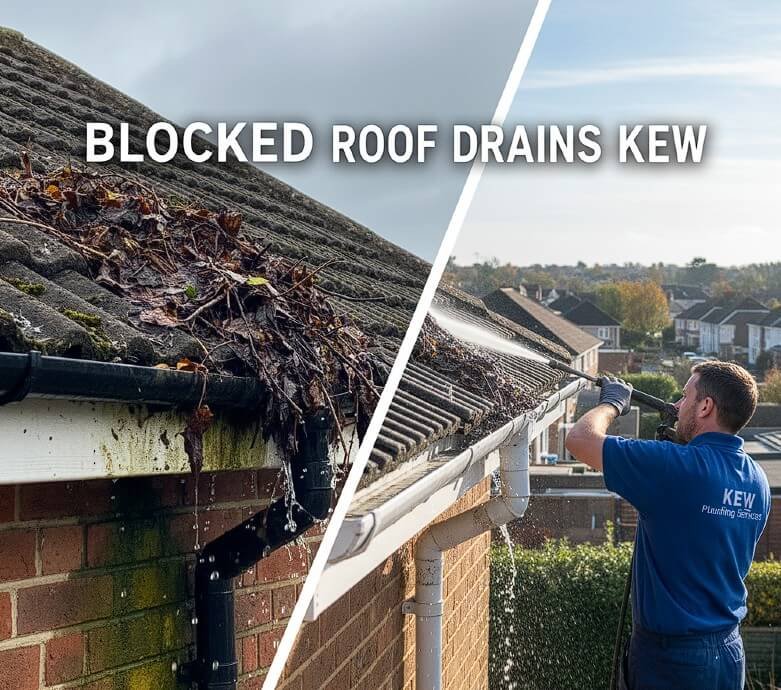
Blocked drains represent one of the most common plumbing issues faced by homeowners and businesses across Melbourne, causing inconvenience, potential property damage, and costly repairs when left unaddressed. Understanding what causes these blockages and how to prevent them can save both time and money while maintaining a healthy plumbing system.
Common Causes of Drain Blockages
Grease and fat buildup stand as one of the primary culprits behind kitchen drain blockages. When hot cooking oils and fats flow down the drain, they solidify upon cooling and stick to pipe walls, creating persistent obstructions over time. Hair accumulation presents another frequent problem, particularly in bathroom drains, where strands combine with soap scum to form substantial blockages that restrict water flow.
Tree root infiltration causes approximately 80% of blocked drains across Australia, with roots capable of detecting moisture from cracks as small as 0.2mm in pipes. Once inside the drainage system, these roots expand and create thick masses that completely obstruct water passage, with older ceramic or concrete pipes facing the highest invasion risk.
Non-flushable items like baby wipes, sanitary products, cotton buds, and paper towels create serious blockages because they fail to break down like toilet paper. Food waste, including coffee grounds, rice, pasta, and large food chunks, can expand when exposed to water and quickly clog pipes, even in systems equipped with garbage disposals.mcnplumbing+1
Prevention Strategies
Installing drain guards and strainers serves as an effective first line of defense against blockages. These affordable devices allow water to flow freely while catching hair, food particles, and other debris before they enter the drainage system. Kitchen sinks benefit most from basket strainers that create a tight seal to block food waste.
Proper waste disposal habits significantly reduce blockage risks. Never pour grease or oil down sinks; instead, allow them to cool and dispose of them in bins or dedicated containers. Scrape food scraps from plates into compost or rubbish bins before rinsing dishes. In bathrooms, only flush human waste and toilet paper while disposing of all other items in bins.
Regular maintenance through professional inspections every 3-6 months helps identify potential issues before they escalate into emergencies. Between professional visits, run hot water through unused drains and apply natural cleaning solutions like baking soda and vinegar weekly to prevent buildup. For properties with large trees, schedule routine inspections to detect root intrusions early and consider planting trees away from main sewer lines.mcnplumbing+2
When to Seek Professional Help
While minor clogs may respond to DIY solutions, persistent drainage problems require professional intervention. Warning signs include slow drainage, recurring blockages, gurgling sounds, foul odors, and water backing up in multiple fixtures. If you’re experiencing drainage issues in the Kew area, professional services specializing in blocked drains Kew can provide comprehensive solutions, including CCTV inspections, hydro jetting, and pipe relining to address both immediate problems and underlying structural issues.
Professional plumbers utilize state-of-the-art CCTV technology to detect blockages in a non-invasive manner, allowing for accurate diagnosis and targeted treatment. Modern eco-friendly solutions employ non-corrosive methods that effectively clear blockages while minimizing environmental impact.
Maintaining Long-Term Drain Health
Preventative care remains the most cost-effective approach to managing your drainage system. Educate household members about proper waste disposal practices and what items should never enter drains. Take advantage of council green bin programs for disposing of food scraps, coffee grounds, and tissues to keep them out of your plumbing system. For commercial kitchens, install and regularly clean grease traps to prevent oil and fat accumulation.
Simple daily habits combined with professional maintenance create a robust defense against blocked drains, protecting your property from water damage and avoiding the stress and expense of emergency plumbing situations.
